
Table of Contents
Introduction
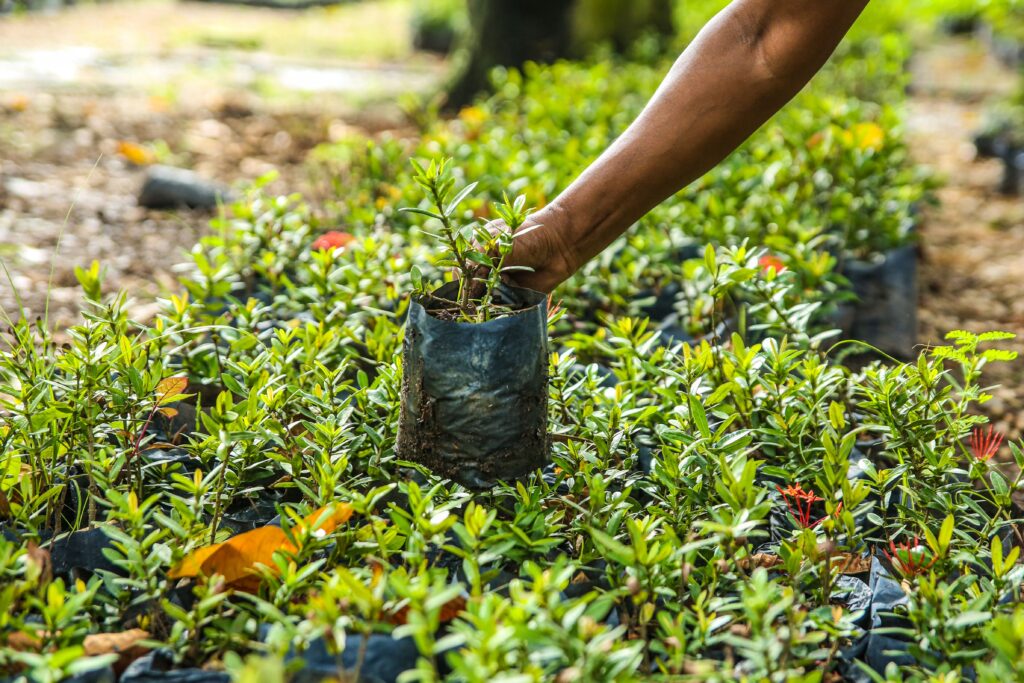
Growing a healthy plant starts well before it reaches a garden, farm, or landscape. Young seedlings and saplings need the right amount of space, water, air, and care while their roots are developing. This is where polythene nursery bags can be useful.
These simple bags are widely used by plant nurseries, farmers, gardeners, landscapers, and plant sellers. They are suitable for everything from small vegetable seedlings to fruit plants and tree saplings.
One reason they are so popular is their practicality. They are lightweight, easy to arrange, simple to transport, and available in different sizes and thicknesses. When the right bag is selected for the plant, it can make everyday nursery work much easier.
Let’s take a closer look at the benefits of polythene nursery bags and what you should consider before buying them.
What Are Polythene Nursery Bags?
Polythene nursery bags are flexible containers made from polyethylene material and designed specifically for growing plants.
Instead of planting a young plant directly into the ground, growers can place it in a nursery bag filled with an appropriate growing medium. The plant can then be cared for until it reaches a suitable size for transplantation.
The bags are available in different dimensions and thicknesses. Some are designed for small seedlings, while larger and stronger options are better suited to fruit plants, ornamental plants, and tree saplings.
Depending on the type of plant and how long it will remain in the nursery, the right bag can make a noticeable difference in handling and plant management.
Helps Give Roots Room to Grow
The root system is an important part of a young plant’s development. A plant may look healthy above the soil, but its roots also need enough room to develop properly.
A nursery bag creates a defined growing space for the roots. Choosing an appropriate size prevents the plant from being placed in a container that is too restrictive during its nursery stage.
The bag should not simply be as large as possible. Instead, its size should match the plant, its expected growth, and the amount of time it will spend in the nursery.
As the plant grows, it is also worth checking the roots and considering whether the plant is ready for a larger container or transplantation.
Good Drainage Is Essential
Water is necessary for plant growth, but too much water can cause problems.
This is why drainage is one of the first things to check when choosing polythene nursery bags. Properly positioned drainage holes allow excess water to leave the growing medium instead of remaining around the roots.
A nursery bag with poor drainage can create overly wet conditions, particularly if the plant is watered frequently or the growing medium holds too much moisture.
For better results, check the drainage holes before filling the bags and make sure they remain free from blocked soil or debris.
Lightweight and Easy to Move
Anyone who has managed a nursery knows that plants need to be moved regularly. They may need to be shifted for watering, sunlight, maintenance, loading, or delivery.
The lightweight nature of polythene bags makes this work easier.
Compared with many rigid containers, flexible nursery bags are easier to lift and arrange. This can be particularly helpful in commercial nurseries where a large number of plants are handled every day.
For home gardeners, the same benefit applies on a smaller scale. A few plants can be rearranged without having to deal with heavy containers.
Makes Plant Transportation Easier
Plant sellers and nurseries often need to transport seedlings and saplings to customers, farms, gardens, and landscaping projects.
During this process, keeping the growing medium around the roots is important. Nursery bags provide a simple way to hold the plant and its growing medium together.
Their relatively low weight can also make a difference when several plants are being transported at the same time.
For this reason, polythene nursery bags are commonly used by both small plant sellers and larger commercial nurseries.
Helps Make Better Use of Nursery Space
Space can quickly become an issue when hundreds or thousands of plants are being grown in one location.
Nursery bags can be placed in rows or grouped according to plant type and growth stage. This makes it easier for growers to identify plants and carry out routine work.
For example, a nursery might keep fruit saplings in one section, flowering plants in another, and tree seedlings in a separate area.
Empty bags are also easy to store because they can be kept together without taking up the same amount of space as rigid containers.
Suitable for Many Types of Plants
One of the biggest advantages of plant nursery bags is their flexibility of use.
Depending on the size and strength of the bag, they can be used for:
- Vegetable seedlings
- Flowering plants
- Fruit saplings
- Ornamental plants
- Medicinal plants
- Forest seedlings
- Tree saplings
- Landscaping plants
The important thing is to match the bag to the plant. A small vegetable seedling and a young tree do not have the same root-space or durability requirements.
Polythene Nursery Bags for Fruit Plants
Fruit saplings often spend a considerable amount of time in a nursery before being planted in an orchard, farm, garden, or landscape.
During this period, the plant needs a suitable growing environment and enough space for its roots.
Appropriately sized nursery bags can make fruit saplings easier to manage and move when they are ready for sale or transplantation.
Depending on the variety and growing conditions, plants such as mango, guava, lemon, pomegranate, and other fruit plants can be raised in suitable nursery bags.
Useful for Tree Saplings
Tree seedlings are another common application for nursery bags.
Unlike very young vegetable seedlings, tree saplings may stay in the nursery for a longer period. As a result, the bag needs to provide enough room and should be strong enough to withstand normal handling.
Good-quality polythene nursery bags can be used to raise tree saplings before they are moved to plantations, farms, gardens, roadsides, landscaping projects, or other planting locations.
Choosing the correct size becomes particularly important as the tree develops.
Makes Transplantation More Convenient
Moving a plant from a nursery to its permanent location is an important stage in its growth.
If the plant has been growing in a suitable nursery bag, its growing medium and root system can remain together until transplantation. This makes the plant easier to handle during the move.
When it is time to transplant, the bag can be carefully removed or cut away, depending on its design and the planting method.
Careful handling is still important. The bag itself does not eliminate transplanting stress, but it can make the process more manageable when used correctly.
A Practical Choice for Commercial Nurseries
For commercial growers, small differences in daily operations can become significant when hundreds or thousands of plants are involved.
Nursery bags are easy to store, handle, arrange, and transport. They are also available in a range of sizes, allowing nurseries to select different options for different plants.
Durability is particularly important in commercial use. A bag that tears while being moved can damage the plant and create unnecessary work.
For this reason, many nursery operators focus not only on price but also on material quality, thickness, drainage, and consistency.
Easier Plant Organization
Keeping a nursery organized can save time.
Plants in nursery bags can be grouped based on their variety, size, age, customer order, or transplantation schedule.
This can make routine activities such as watering, inspection, maintenance, and delivery preparation easier to manage.
For larger nurseries, a simple organization system can also help workers locate specific plants without moving large numbers of containers unnecessarily.
What to Check Before Buying Polythene Nursery Bags
Not every nursery bag will be suitable for every plant. Before purchasing, consider a few basic factors.
1. Material Quality
Look for bags made from suitable polyethylene material that can handle normal nursery use. The material should be flexible enough for handling but strong enough for the intended application.
2. Thickness
Thickness should be selected according to the size of the plant and how long it is expected to remain in the bag.
Small, short-term seedlings may not need the same thickness as large saplings.
3. Size
Think about the plant’s current size as well as its expected growth during the nursery period.
A bag that is too small can become restrictive, while an unnecessarily large bag can require more growing medium than needed.
4. Drainage Holes
Check that the bag has suitable drainage holes and that they are not blocked.
Good drainage is especially important in areas where plants are watered frequently or receive heavy rainfall.
5. UV Resistance
If bags will be kept outdoors and exposed to sunlight for long periods, consider material designed to provide better resistance to UV exposure.
This can be useful for plants that spend several months in the nursery.
6. Supplier Reliability
If you need nursery bags in large quantities, consistency matters.
A dependable supplier should be able to provide bags with consistent dimensions, thickness, and quality across orders.
Tips for Using Nursery Bags Properly
Buying good nursery bags is only the beginning. Proper use also matters.
Here are a few simple practices that can help:
- Choose a bag that matches the plant’s size.
- Use a suitable growing medium.
- Make sure drainage holes are open.
- Avoid watering more than the plant requires.
- Do not overfill the bags.
- Handle filled bags carefully.
- Check the plant and roots regularly.
- Transplant plants when they have outgrown their available space.
- Keep unused bags somewhere clean and dry.
Small habits like these can help prevent avoidable problems and make nursery management more efficient.
Common Mistakes to Avoid
Some problems with nursery bags are caused not by the bag itself but by choosing or using it incorrectly.
Using the Same Size for Every Plant
Different plants have different root requirements. Using one bag size for every type of plant may not give each plant enough room.
Ignoring Drainage
Even a good-quality nursery bag will not perform well if its drainage holes are blocked.
Leaving Plants in Small Bags for Too Long
As roots develop, the plant may eventually need more space. Regular monitoring helps identify when transplantation or a larger growing container is needed.
Choosing Only by Price
The cheapest option is not always the most practical choice. Consider how the bags will be handled and how long they need to last.
Rough Handling
Dragging or lifting filled bags carelessly can cause unnecessary tearing. Handle them from a stable position and avoid rough surfaces where possible.
Are Polythene Nursery Bags Suitable for Home Gardens?
Yes. Nursery bags can also be useful for home gardeners.
They can be used when starting plants from seedlings or when growing young plants before moving them into a garden or larger container.
They are particularly convenient when plants need to be moved around a balcony, terrace, backyard, or small garden.
For home use, selecting the correct size and providing good drainage are usually more important than simply choosing the largest bag.
Frequently Asked Questions
What are polythene nursery bags used for?
Polythene nursery bags are used for raising seedlings and saplings before they are transplanted. They can be used for vegetables, flowers, fruit plants, ornamental plants, and tree saplings.
Are polythene nursery bags good for plants?
Yes. Suitable-quality bags can provide a practical growing space for young plants. Their effectiveness depends on choosing the right size, providing proper drainage, and using an appropriate growing medium.
Why do nursery bags need drainage holes?
Drainage holes allow excess water to leave the growing medium. This helps prevent overly wet conditions around the roots.
Can I use nursery bags for fruit plants?
Yes. Nursery bags are commonly used for raising fruit saplings before they are planted in orchards, farms, gardens, or other permanent locations.
Can tree seedlings grow in polythene nursery bags?
Yes. Tree seedlings and saplings can be raised in suitable bags. The bag should provide enough space for the developing root system and should be strong enough for the expected growing period.
How do I choose the right size nursery bag?
Consider the plant’s current size, root system, expected growth, and the length of time it will remain in the nursery. The bag should provide adequate space without being unnecessarily large.
Final Thoughts
Polythene nursery bags may look like a simple part of plant cultivation, but the right bag can make everyday nursery work much easier.
From raising a small seedling to managing a young fruit plant or tree sapling, nursery bags provide a convenient way to grow, organize, move, and transplant plants.
The best choice depends on the plant and how it will be grown. Pay attention to the bag’s size, thickness, material, drainage, and expected outdoor exposure rather than choosing solely on price.
With a suitable nursery bag, good growing medium, proper watering, and regular care, growers can create a comfortable environment for plants during an important stage of their development.