
Table of Contents
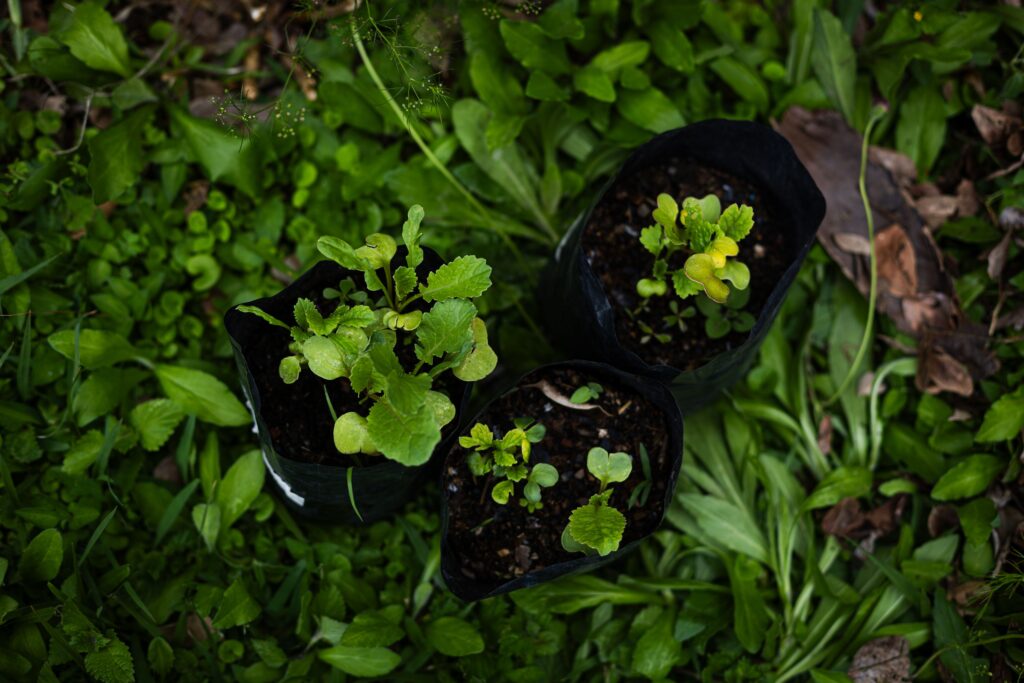
Growing healthy plants starts with giving them the right environment from the beginning. Nursery bags for plants provide a simple and practical solution for growing seedlings, saplings, flowers, vegetables, fruit plants, and trees before transplantation.
Choosing a nursery bag for plants may seem easy, but different plants have different root systems, growing periods, and water requirements. The right nursery bag can support healthy root development, improve drainage, make transportation easier, and reduce damage during transplantation.
In this guide, we will explain the important factors to consider when choosing nursery bags for plants.
Why Are Nursery Bags Important for Plants?
Nursery bags create a controlled growing environment for young plants. Instead of planting seedlings directly into the ground, growers can raise them in bags until they become strong enough for transplantation.
Quality nursery bags can help provide:
- Space for healthy root development
- Proper drainage
- Easy plant handling
- Better transportation
- Protection for the root ball
- Convenient transplantation
- Efficient nursery space management
For both home gardeners and commercial nurseries, choosing the right bag can make plant management easier.
Choose the Right Nursery Bag Size
One of the first things to consider is the size of the nursery bag.
Different plants require different amounts of root space. Small vegetable seedlings may need less space during their early growth stage, while fruit plants, ornamental plants, and tree saplings require more room for their roots.
A bag that is too small can restrict root development. A bag that is unnecessarily large can require more growing medium and may retain excess moisture.
Therefore, select the bag according to the plant’s root system and expected growing period.
Consider the Thickness of the Bag
The thickness of a nursery bag affects its strength and durability.
For plants that remain in the nursery for a short period, a lighter bag may be sufficient. Larger plants and saplings that stay in the bag for several months may require stronger nursery bags.
A durable bag should be able to hold the growing medium and plant without easily tearing during normal handling.
When purchasing nursery bags for plants, always consider how long the plant will remain inside the bag.
Check the Drainage Holes
Proper drainage is essential for healthy plant growth.
Plants need water, but excess water should be able to escape. nursery bag for plants with suitable drainage holes allow excess moisture to drain away and help maintain better conditions around the roots.
Poor drainage can lead to waterlogging and unhealthy roots.
Before using nursery bags, check that the drainage holes are open and properly positioned.
Choose Quality Polythene Material
The quality of the polythene used in nursery bags can affect their overall performance.
Good-quality polythene Nursery Bags for Plants should be flexible, durable, and capable of holding the growing medium securely.
A weak bag may tear when it is moved, filled, or transported. This can disturb the root ball and create additional work for nursery owners.
For commercial nurseries, consistent material quality is particularly important because large quantities of bags may be used every season.
Think About Outdoor Conditions
If plants are going to remain outdoors, sunlight exposure should also be considered.
Continuous exposure to sunlight can affect some plastic materials over time. For outdoor nursery applications, UV-stabilized bags can offer better resistance to sunlight and help improve durability.
This can be especially useful for nurseries growing fruit plants, tree saplings, ornamental plants, and other plants that remain in bags for longer periods.
Select Bags According to the Plant
The best nursery bags for plants depend on what you are growing.
Vegetable Seedlings
Vegetable seedlings such as tomato, chilli, brinjal, cabbage, and cauliflower generally require suitable bags during their early growth stages.
The bags should provide enough space for the roots while allowing excess water to drain properly.
Flowering Plants
Flowering plants can be grown in nursery bags for plants before being moved into gardens, landscaping areas, or larger containers.
A suitable bag helps protect the root system while the plant develops.
Fruit Plants
Fruit plants often remain in nursery bags for a longer period. They therefore require bags with sufficient root space and suitable strength.
Good-quality nursery bags can make fruit saplings easier to handle and transport before planting.
Tree Saplings
Tree seedlings and saplings usually require stronger bags because they may remain in the nursery for an extended period.Nursery Bags for Plants
The bag should provide sufficient room for root development while being strong enough to hold the growing medium securely.
Nursery Bags Make Transplantation Easier
Transplantation is an important stage in plant growth.
When a plant is grown in a nursery bag, its growing medium and root system can remain together until it is ready for planting. The bag can then be carefully removed or cut before transplantation.
This can help reduce unnecessary disturbance to the roots and make plant handling easier.
Nursery Bags Are Easy to Store and Transport
Another advantage of Nursery Bags for Plants is their lightweight design.
Empty bags require relatively little storage space compared with rigid containers. Plants grown in bags can also be moved around the nursery more easily.
For commercial nurseries, this can make everyday activities such as watering, arranging, loading, and transportation more convenient.nursery bagzs for plants
How to Maintain Nursery Bags
Proper handling can help improve the useful life of Nursery Bags for Plants.
Here are a few simple practices:
- Avoid dragging filled bags across rough surfaces.
- Keep drainage holes clear.
- Do not overfill bags with growing medium.
- Store unused bags in a clean and dry location.
- Inspect bags before placing plants inside them.
- If bags are reused, clean and inspect them properly first.
Good handling helps reduce unnecessary damage and waste.
How to Choose Quality Nursery Bags
Before purchasing nursery bags, consider these factors:Nursery Bags for Plants
- Plant type
- Root growth
- Required bag size
- Material quality
- Bag thickness
- Drainage holes
- Expected growing period
- Outdoor or indoor use
- Transportation requirements
- Supplier reliability
Choosing according to these factors can help you find nursery bags that are suitable for your specific requirements.
How to Store Nursery Bags for Plants
Proper storage is important when purchasing nursery bags for plants in bulk. Unused bags should be kept in a clean, dry area away from unnecessary damage.
Avoid placing heavy objects on top of nursery bags for plants because this can cause deformation or tearing. Keeping different sizes separately can also make it easier to select the correct bag when needed.
Good storage practices can help nursery owners keep their nursery bags for plants ready for seasonal planting activities.
Nursery Bags for Plants for Different Growing Conditions
Growing conditions can influence the type of nursery bag required. Plants kept indoors or in protected areas may have different requirements from plants that remain outdoors for extended periods.
For outdoor use, growers should consider sunlight exposure and the expected duration of use. Nursery bags for plants used for long-growing saplings may require stronger and more durable material.
Selecting nursery bags for plants according to the growing environment can help improve their practical performance during cultivation.
Nursery Bags for Plants: Size and Capacity Matter
The size of nursery bags for plants should be selected according to the plant’s current size and expected root development.
A very small bag may not provide sufficient space as the plant grows. On the other hand, choosing a much larger bag than necessary can increase the amount of growing medium required and may make handling less convenient.
For this reason, growers should plan the size of nursery bags for plants based on the plant’s growth stage and the expected time before transplantation.
Frequently Asked Questions
Which nursery bags are best for plants?
The best nursery bags for plants depend on the plant type, root system, growing period, and growing conditions. A suitable bag should provide enough root space, proper drainage, and sufficient durability.
Are polythene nursery bags good for plants?
Yes. Quality polythene nursery bag for plants are widely used for raising seedlings and saplings because they are lightweight, flexible, practical, and easy to handle.
Do nursery bags need drainage holes?
Yes. Proper drainage is important because excess water needs to escape from the growing medium. Blocked or insufficient drainage can create unhealthy conditions for roots.
Can nursery bags be used for fruit plants?
Yes. nursery bags for plants are commonly used for raising fruit plant saplings before they are transplanted into farms, gardens, orchards, or landscaping areas.
How long can a plant stay in a nursery bag?
The suitable period depends on the plant and the bag. Plants should have enough space for their roots and should be transplanted when they outgrow the available space.
Final Thoughts
Choosing the right nursery bags for plants is an important part of successful plant cultivation. The correct combination of size, thickness, material quality, drainage, and durability can create a better environment for healthy root development.
Whether you are growing vegetable seedlings, flowering plants, fruit saplings, or tree seedlings, selecting quality nursery bags can make plant care, transportation, and transplantation easier.
For reliable results, always choose nursery bags for plants according to the plant’s requirements and the conditions in which it will be grown.
Different Types of Nursery Bags
Nursery bags are available in different sizes, thicknesses, and designs to suit different types of plants. Selecting the right type depends on the plant’s growth stage and how long it will remain in the nursery.
Standard Nursery Bags
Standard polythene nursery bags are commonly used for seedlings, flowering plants, vegetables, and small saplings. They are lightweight and easy to fill, move, and arrange.
Heavy-Duty Nursery Bags
Heavy-duty bags are suitable for larger plants and saplings that need to remain in the nursery for longer periods. Their stronger construction can help reduce tearing during transportation and handling.
Grow Bags
Grow bags are designed to provide plants with a convenient growing environment while allowing excess water to drain away. They can be useful for vegetables, herbs, flowers, and other container-grown plants.
Nursery Bags for Plants: Complete Guide to Choosing the Right Nursery Bags
Why Are Nursery Bags for Plants Important?
How to Choose the Right Nursery Bags for Plants
Choose the Right Nursery Bag Size
Consider the Thickness of Nursery Bags for Plants
Check Drainage Holes in Nursery Bags for Plants
Choose Quality Material for Nursery Bags for Plants
Best Nursery Bags for Plants for Different Types of Plants
Nursery Bags for Vegetable Seedlings
Nursery Bags for Flowering Plants
Nursery Bags for Fruit Plants
Nursery Bags for Tree Saplings
Nursery Bags for Plants for Seedling Production
Seedling production is one of the most common uses of nursery bags for plants. Young plants can be raised individually, allowing growers to manage them before transplantation.
Nursery bags for plants can be used for vegetables, flowers, ornamental plants, fruit plants, and tree seedlings. Keeping individual plants in separate bags also makes it easier to organize plants according to their variety and growth stage.
For commercial nurseries, using suitable nursery bags for plants can help create an organized growing system. Plants can be grouped by size, age, and type, making daily nursery operations more convenient.
Choosing Nursery Bags for Plants Based on Plant Growth
Every plant does not require the same type of nursery bag. The ideal nursery bags for plants should match the plant’s size, root development, and expected time in the nursery.
Small seedlings generally need compact nursery bags, while larger saplings require more growing space. If a plant remains in a bag for several months, selecting a durable bag with sufficient capacity becomes particularly important.
Before purchasing nursery bags for plants in bulk, consider the types of plants you are growing and their expected growth period. This can help prevent problems caused by using bags that are too small or unsuitable.
Nursery Bags for Plants for Home Gardening
Nursery bags for plants are not limited to commercial nurseries. Home gardeners can also use them for growing vegetables, flowers, herbs, and small plants.
They are useful when gardeners have limited space or want to move plants around easily. Instead of planting everything directly into the ground, plants can first be grown in nursery bags for plants and transplanted when they are ready.
For balconies, terraces, small gardens, and temporary growing areas, nursery bags for plants can provide a flexible way to manage plants.
Nursery Bags for Plants for Commercial Nurseries
Commercial nurseries often handle hundreds or thousands of plants at different growth stages. In such situations, selecting reliable nursery bags for plants becomes important for efficient plant management.
Nursery bags for plants can help nursery owners organize seedlings and saplings while making watering, shifting, loading, and transportation easier.
For bulk requirements, buyers should consider material quality, thickness, size consistency, drainage, durability, and supplier reliability. Consistent-quality nursery bags for plants can help maintain a more uniform nursery operation.