
Polythene bags has changed tremendously over the years. Today, farmers and nursery owners are constantly looking for smarter and more efficient ways to grow healthier plants while reducing costs and improving productivity. One simple yet essential product that has become a part of modern farming is the nursery bag.
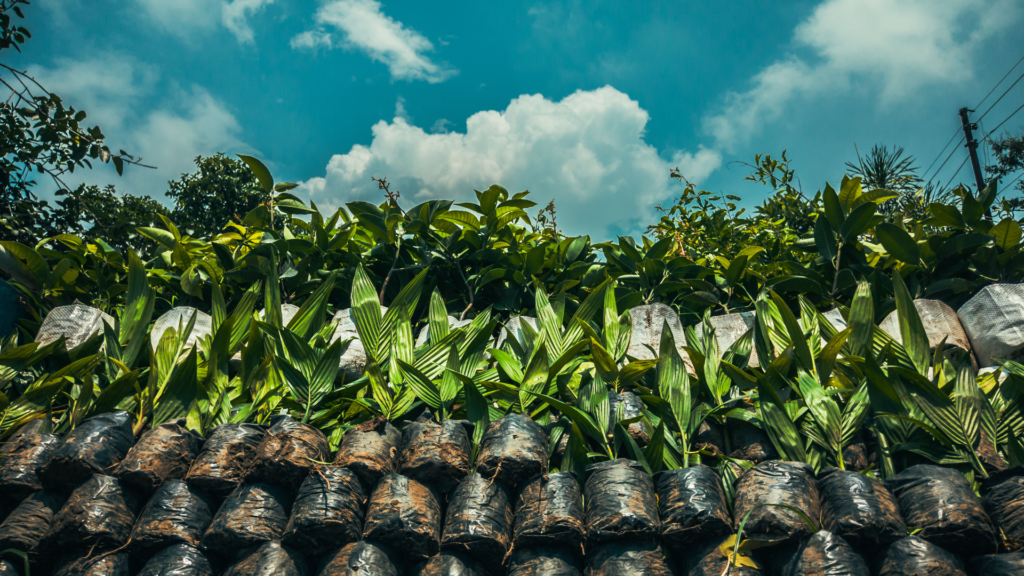
At first glance, a nursery bag may seem like an ordinary plastic bag, but it plays a much bigger role than most people realize. From protecting delicate seedlings to supporting strong root development, nursery bags have become an important tool in agriculture, horticulture, landscaping, and commercial plant nurseries.
Whether you’re a home gardener growing a few vegetable plants or a nursery owner managing thousands of saplings, understanding the importance of nursery bags can help you make better decisions for healthier and more successful plant growth.
A Safe Start for Young Plants Polythene bags
Every healthy plant begins as a seed or a small seedling. During these early stages, plants are delicate and need the right balance of moisture, nutrients, sunlight, and protection.
Nursery bags create a controlled environment where young plants can grow without facing many of the challenges they would encounter if planted directly in the ground. The growing medium inside the bag provides enough space for roots to develop while protecting the plant during its most vulnerable stage.
This controlled environment gives seedlings a stronger start, increasing their chances of growing into healthy and productive plants.
Encourages Strong Root Development
Healthy roots are the foundation of every healthy plant.
One of the biggest advantages of polythene bags is that they provide enough space for roots to grow naturally. As the roots develop, they become stronger and better prepared to absorb water and nutrients after transplantation.
When plants have healthy root systems, they establish themselves more quickly in the field and are better able to withstand environmental stress. High-quality polythene bags help protect the root structure during the nursery stage, improving plant survival after transplanting.
Choosing the correct polythene bags size is equally important. A bag that is too small can restrict root growth, while an oversized bag may hold excess moisture that slows development.
Makes Transplanting Easier
Transplanting is one of the most sensitive stages in plant growth. If roots are disturbed too much, the plant can experience transplant shock, which slows growth and sometimes causes the plant to die.
Nursery bags help reduce this risk.
Since the entire root ball remains intact inside the bag, growers can simply remove or cut the bag before planting. This minimizes root disturbance and allows the plant to adapt more quickly to its new environment.
For farmers and commercial nurseries, this means better survival rates and healthier crops.
Improves Water Management
Water is essential for plant growth, but too much water can be just as harmful as too little.
Most nursery bags are designed with drainage holes that allow excess water to escape. This prevents waterlogging and helps maintain the right level of moisture around the roots.
Good drainage also improves air circulation in the soil, allowing roots to breathe properly and reducing the chances of fungal diseases and root rot.
This simple feature makes nursery bags an effective solution for maintaining healthy growing conditions.
Suitable for a Wide Variety of Plants
One reason nursery bags are so widely used is their versatility. They are suitable for growing many different types of plants, including vegetable seedlings, fruit plants, flowering plants, medicinal herbs, ornamental shrubs, forest tree saplings, and even indoor plants.
Because nursery bags are available in different sizes, growers can easily choose one that matches the needs of each plant. This flexibility makes them useful in home gardens, commercial nurseries, and large-scale agricultural operations alike.
Saves Space in Nurseries
Space is valuable, especially in commercial nurseries where thousands of plants may be grown at the same time.
Unlike bulky clay pots or rigid containers, polythene bags are lightweight and compact. They can be arranged closely together without affecting plant growth, making better use of available space.
They are also easy to stack and store when not in use, helping nursery owners keep their work areas organized.
Lightweight and Easy to Handle
Another reason polythene bags are popular is their convenience.
Whether plants need to be moved within the nursery or transported to customers, polythene bags make the process much easier.
Because they weigh very little, workers can carry large numbers of plants without much effort. This saves time, reduces labor costs, and simplifies daily nursery operations.
For home gardeners, lightweight nursery bags also make gardening more enjoyable and less physically demanding.
A Cost-Effective Choice
Compared to traditional pots or containers, polythene bags are a much more affordable option.
This is especially important for commercial growers who may need thousands of bags every season.
Despite their low cost, quality nursery bags are durable enough to support healthy plant growth and can often be reused if they remain in good condition.
Their affordability allows farmers to invest more in quality seeds, fertilizers, irrigation, and other important aspects of cultivation.
Protects Plants During Transportation
Many plants are transported from nurseries to farms, gardens, landscaping projects, or retail stores before being planted.
During transportation, roots can easily become damaged if they are exposed.
Nursery bags protect the root system by holding the soil firmly around it, reducing movement and keeping moisture in place throughout the journey.
As a result, plants arrive in better condition and experience less stress after planting.
Supports Commercial Agriculture
Modern agriculture depends on efficiency, consistency, and quality.
Commercial nurseries rely on polythene bags because they make large-scale plant production easier to manage. Workers can organize plants by variety, monitor growth, water them efficiently, and transport them with minimal effort.
Whether growing fruit trees, vegetables, ornamental plants, or forestry saplings, nursery bags help streamline nursery operations while improving overall plant quality.
Environmentally Responsible Use
Although polythene bags are made from polyethylene, many high-quality bags can be reused several times when handled properly.
After use, growers should clean the bags, inspect them for damage, and store them in a dry place for future planting seasons.
Reusing polythene bags helps reduce waste and lowers production costs.
Choosing durable, high-quality bags instead of thin disposable ones also contributes to more sustainable nursery management.
Choosing the Right Nursery Bag
Not every polythene bag is suitable for every plant.
The right choice depends on the plant’s root system, the duration of growth, and the growing conditions. A strong and durable polyethylene bag with proper drainage holes is essential for healthy plant development. For outdoor use, UV-stabilized bags are a better option because they can withstand sunlight for a longer period without breaking down quickly. Thickness also matters, as it should match the length of time the plant will remain in the bag. Buying from a trusted manufacturer is equally important because it ensures consistent quality and better performance.
Making the right choice helps improve plant health and reduces losses during cultivation. Polythene bags may appear simple, but they have become an essential part of modern agriculture. They provide young plants with the right environment to develop strong roots, simplify transplantation, improve water management, reduce production costs, and make nursery operations more efficient.
From small home gardens to large commercial farms, nursery bags continue to support healthier plants and better growing practices. By choosing high-quality nursery bags that match your crop and growing conditions, you can give your plants the best possible start and increase their chances of long-term success.
Whether you’re growing vegetables, fruit trees, flowers, or forestry saplings, investing in the right nursery bags is a small decision that can make a significant difference in the health and productivity of your plants.