
Whether you’re growing vegetables in your backyard or managing a large commercial nursery, choosing the right nursery bag can make a big difference in the health and growth of your plants. Although all nursery bags serve the same basic purpose of giving young plants a safe place to grow, not every bag is suited to the same crop or growing condition.
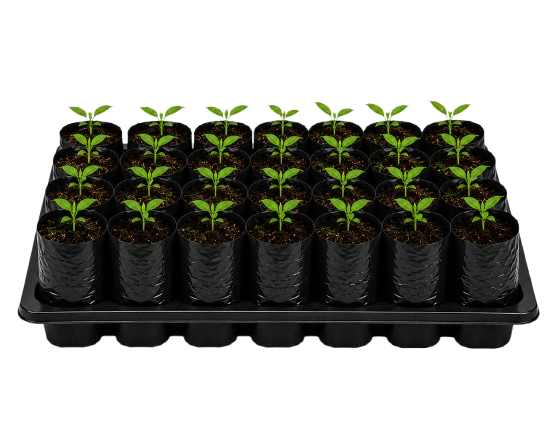
Different plants have different root systems, water needs, and growth periods. That is why nursery bags come in a range of sizes, thicknesses, and materials. Using the right one helps plants develop stronger roots, makes transplanting easier, and supports better overall growth.
If you’re new to gardening or agriculture, this guide will help you understand the different types of nursery bags used in agriculture and how to choose the best one for your needs.
Standard Black Nursery Bags
The most common nursery bag you will see in a plant nursery is the black nursery bags. These bags are widely used because they are practical, affordable, and suitable for growing almost every type of plant.
The black color is not just for appearance. It helps block sunlight from reaching the roots, which prevents overheating. It also reduces algae growth inside the bag and helps the soil hold moisture for a longer time.
Standard black nursery bags are commonly used for vegetable seedlings, flowering plants, fruit saplings, ornamental plants, and medicinal herbs. For most home gardeners and commercial nurseries, these bags are often the first choice because they are reliable and easy to use.
Perforated Nursery Bags
Perforated bags are similar to standard bags, but they have small drainage holes on the sides or bottom.
These holes play an important role in keeping plants healthy. They allow excess water to drain away, which prevents waterlogging and lowers the risk of root rot. At the same time, they improve air circulation around the roots and encourage stronger root development.
Perforated Nursery bags are ideal for vegetable nurseries, fruit plants, flower plants, and crops that need frequent watering. In areas with heavy rainfall, drainage holes become even more important because they stop water from collecting inside the bag.
UV-Stabilized Nursery Bags
Plants that stay outdoors for several months need bags that can handle constant exposure to sunlight.
That is where UV-stabilized nursery bags are useful.
These bags are specially made to resist damage caused by ultraviolet rays. Unlike ordinary plastic bags, they do not crack or become brittle quickly when exposed to the sun.
They are commonly used in commercial nurseries, tree plantations, landscaping projects, and agricultural farms. Although they may cost a little more than regular nursery bags, their longer lifespan makes them a worthwhile investment.
Heavy-Duty Nursery Bags
Some plants need more space and stronger support as they grow.
Heavy-duty nursery bags are made from thicker polyethylene and are designed to hold larger amounts of soil without tearing.
They are perfect for growing mango saplings, coconut plants, guava plants, forest trees, and large ornamental shrubs. Because these bags are stronger, they can safely support bigger root systems until the plants are ready for transplanting.
Seedling Bags
Seedling bags are the smallest type of nursery bags and are specially designed for germinating seeds.
Young plants do not need much soil during their early stages, so these bags provide just enough space for roots to develop without wasting growing medium.
They are commonly used for tomato seedlings, chilli plants, brinjal, cabbage, cauliflower, and herbs. Once the seedlings grow larger, they are transferred into bigger nursery bags or directly into the ground.
Tree Nursery Bags
Tree saplings stay in nurseries much longer than vegetable seedlings. Because of this, they need larger bags that allow the roots to spread naturally.
Tree nursery bags are taller and wider than regular nursery bags, giving plants enough room to develop a healthy root system.
These bags are commonly used for neem, teak, eucalyptus, bamboo, fruit trees, and shade trees. Choosing the correct size is important because restricted roots can affect the future growth of the tree.
Grow Bags
Although grow bags are slightly different from traditional nursery bags, they are widely used in agriculture and gardening.
Grow bags are designed for growing plants from start to harvest rather than only raising seedlings.
Many are made from heavy-duty polyethylene or breathable fabric and are suitable for tomatoes, potatoes, leafy vegetables, chillies, and cucumbers. Grow bags are becoming increasingly popular among home gardeners because they take up very little space and work well on balconies, terraces, and rooftops.
Custom Nursery Bags
Every nursery has different requirements.
Some growers need bags with extra drainage holes, while others need custom sizes or thicker plastic for specific crops.
Custom nursery bags are made according to customer requirements, including different widths and heights, custom thickness, printed branding, extra drainage holes, UV protection, and various micron levels. Commercial nurseries often choose custom-made bags because they suit their specific growing conditions.
Choosing the Right Nursery Bag
With so many options available, how do you know which nursery bag is right for your plants?
The first thing to consider is the type of plant. Small vegetables need smaller bags, while fruit trees and ornamental plants require larger ones. Root growth is another important factor, since plants with deep root systems need taller nursery bags to grow properly.
You should also think about how long the plant will stay in the nursery. If it will remain there for several months, thicker or UV-stabilized bags are usually a better choice. Drainage is equally important, so always select nursery bags with proper holes to prevent excess water from damaging the roots.
Climate also matters. For outdoor use in hot conditions, UV-resistant nursery bags offer better durability and a longer service life.
Why Choosing the Right Nursery Bag Matters
It may seem like all nursery bags are the same, but the right bag can have a major impact on plant growth.
Using the correct nursery bag helps promote healthy root development, improve water drainage, reduce transplant shock, protect young plants, increase survival rates, make transportation easier, and reduce overall growing costs.
For commercial growers, choosing the right nursery bag also improves efficiency by reducing plant losses and making nursery management simpler.
Final Thoughts
Nursery bags may look simple, but they play a vital role in agriculture. From tiny vegetable seedlings to large tree saplings, there is a nursery bag designed for almost every type of plant.
Whether you choose standard black nursery bags, perforated bags, UV-stabilized bags, heavy-duty bags, or custom-sized options, selecting the right one helps your plants develop stronger roots and makes transplanting much easier.
If you are just starting your gardening or farming journey, investing in quality nursery bags is one of the simplest ways to give your plants a healthy start. With the right bag, proper soil, and regular care, you will be well on your way to growing stronger, healthier plants.